Navigating Crop Protection Exports: Registration & Compliance Basics for International Markets

GSP Crop Science Blog | For international distributors& export partners | 7 min read
Gettinga crop protection formulation into a new country isn't primarily a shippingproblem — it's a registration problem. Before a single unit can be legallysold, the product has to clear that country's pesticide regulatory authority.And that process looks different in almost every market, which is exactly why ittrips up otherwise well-planned market entries.
What Typically Has to Line Up
• Active ingredientspecification. The formulation'sactive ingredient content needs to match FAO/WHO reference specifications sothe destination regulator can independently verify what's actually in theproduct — not just take a label's word for it.
• A registrationdossier. This usually includestoxicology data, efficacy trial results, and label claims specific to thecrop-pest combinations approved in that market. A dossier built for one countryrarely transfers directly to another without adaptation.
• Phytosanitary andexport documentation. Both theexporting and importing country's customs and agricultural authorities requiretheir own set of certificates before the shipment can move — and missingpaperwork is one of the most common causes of shipment delays at port.
• Local trial data, insome markets. A number of regulatorsrequire in-country efficacy or residue trials before granting fullregistration, which can extend the registration timeline well beyond thepaperwork stage alone.
The Realistic Timeline
Dependingon the market and whether local trials are required, the path from 'interesteddistributor' to 'first commercial shipment' can run anywhere from a few monthsto well over a year. This isn't a reflection of inefficiency — it's the natureof a regulatory process designed to verify safety and efficacy before a productreaches farmers in a new market. Distributors who plan around this realistictimeline, rather than a shipping-only timeline, avoid most of the friction thatcatches new export relationships off guard.
What to Ask a Prospective Supplier
Ifyou're a distributor evaluating a potential supply partner, the groundwork asupplier has already done can materially shorten your own path to market.Before committing, it's worth asking:
• In which countries isthis formulation already registered, and are any comparable to my market?
• Can you share existingFAO/WHO specification data for the active ingredient?
• What export documentationand phytosanitary processes are already in place?
• Has this formulationundergone efficacy or residue trials in a climate or cropping system similar tomine?
• What is the realistictimeline you've experienced for registration in a comparable market?
How GSP Supports This Process
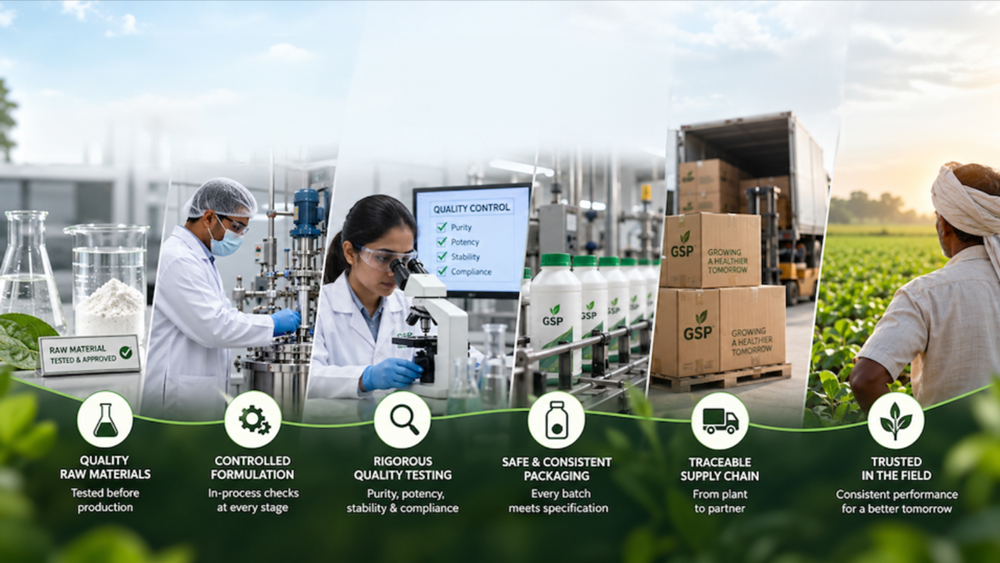
Ourinternational desk works alongside distributor partners through each of thesesteps — reviewing target-market crop and pest profiles to shortlist relevantformulations, preparing registration pathways jointly with the local partner,and handling the export documentation and compliance work from themanufacturing side. The goal is to remove as much of the regulatory groundworkas possible from a distributor's side of the process, so market entry timelinesare driven by the regulator, not by paperwork gaps.
Key takeaway: A supplier'sexisting registration footprint is one of the most useful signals of how smoothyour own market entry will be. Ask about it before you ask about pricing.
Contactour export desk to discuss registration status for your target market andproduct interest.