
Rabi Season 2026–27: Every Seed Holds a Story of Hope

A new season. New challenges. New possibilities. And afarmer's determination to grow something better.
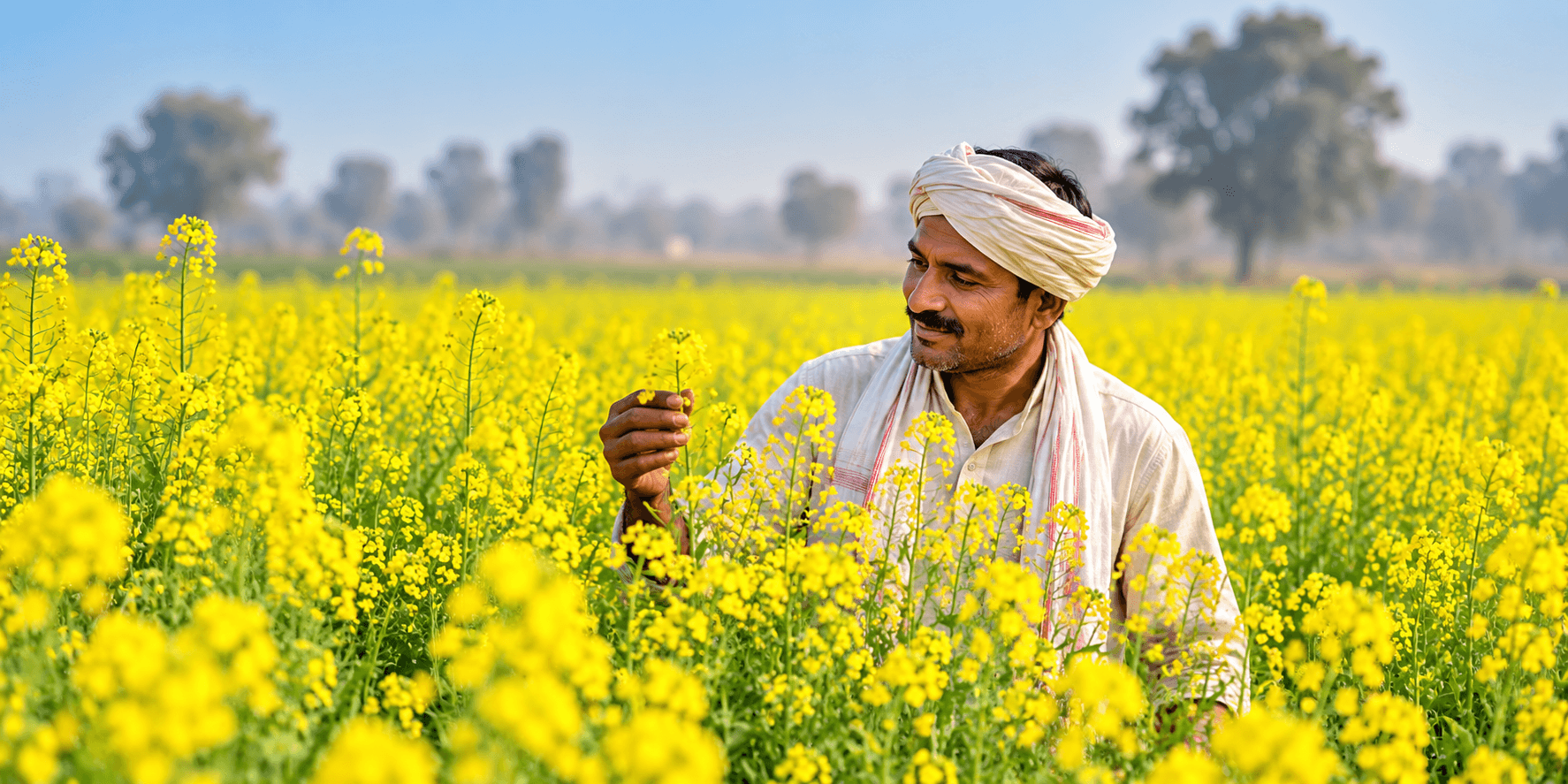
Imagine a peaceful winter morning in an Indian village.
The first rays of sunlight fall gently across the fields. Afarmer walks through his land, holding a handful of soil. The monsoon haspassed, the air is getting cooler, and preparations for the next crop havebegun.
For him, this is not just another farming season.
It is another opportunity to turn months of hard work into arewarding harvest.
He looks at his field and thinks:
"Will the weather support my crop? Will my plantsstay healthy? Will this season bring a better harvest?"
These are questions that thousands of farmers across Indiaface as the Rabi season approaches.
And the answers often begin with one simple thing — beingprepared.
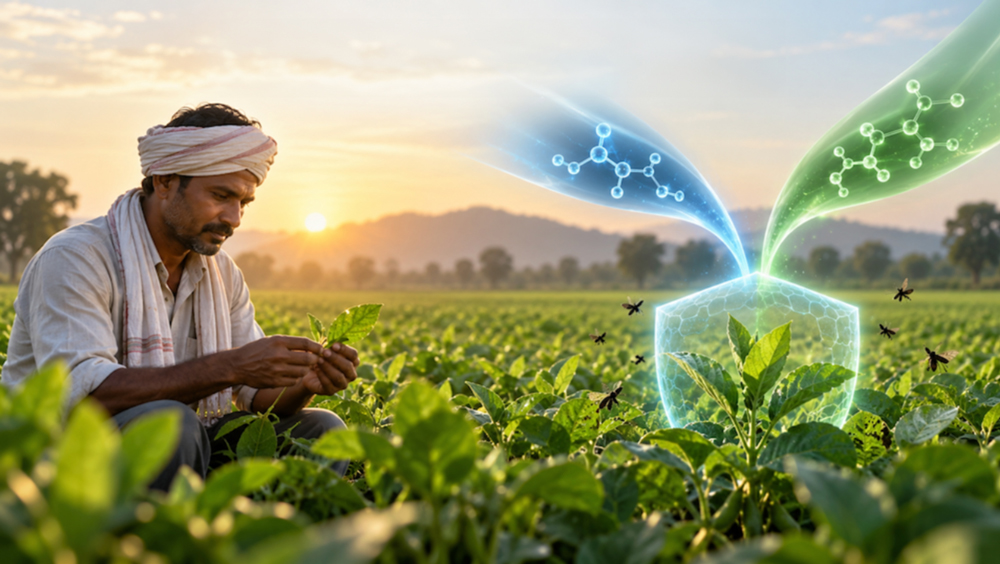
At GSP Crop Science, we believe that behind every healthycrop is a farmer's dedication, supported by knowledge, innovation and timelycrop protection.
The Rabi Season: Where New Hopes Take Root
As October arrives, fields across India begin preparing fora transformation.
Soon, green wheat fields will stretch across the landscape,mustard flowers will paint the countryside yellow, and crops such as chickpea,lentils and peas will begin their journey towards harvest.
But here's something worth remembering:
A successful harvest doesn't begin when crops are ready.It begins when farmers make the right decisions before sowing.
The Rabi season generally involves sowing from October toDecember and harvesting during March and April, depending on the crop andregion.
This period brings favourable conditions for many wintercrops, but it also requires careful attention to soil moisture, nutrition,irrigation and crop health.
The First Secret to a Strong Harvest Lies Beneath YourFeet
Before a seed begins to grow, the soil must be ready tosupport it.
Imagine building a house without a strong foundation. Eventhe best materials cannot guarantee a stable structure.
Farming works in a similar way.
Healthy soil helps crops develop stronger roots, accessnutrients and establish themselves during the early growth stages.
A few smart decisions before sowing can make a meaningfuldifference:
- Test the soil to understand its nutrient requirements.
- Prepare the field according to the selected crop.
- Maintain appropriate soil moisture and drainage.
- Use balanced fertilisation based on soil-test recommendations.
GSP's Farmer Awareness Message: Don't just prepareyour field for sowing. Prepare it for healthy growth.
A Small Problem Today Can Become a Bigger ChallengeTomorrow
Picture a farmer inspecting his wheat field one morning.
Most plants look healthy, but a few leaves appear unusual.
He thinks, "It's only a small patch. I'll check itnext week."
A few days later, the problem appears in more areas.
What initially seemed insignificant may now require greaterattention.
This is why regular crop monitoring is one of the mostvaluable habits in farming.
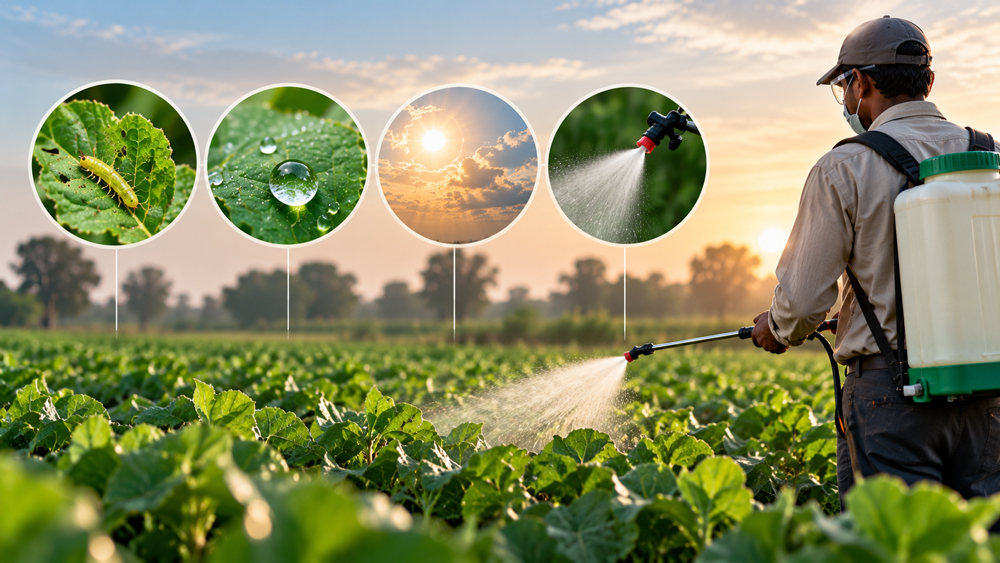
During the Rabi season, crops can face challenges fromweeds, insect pests and diseases. Their occurrence depends on weather,location, crop variety and field conditions.
Not every yellow leaf indicates disease. Not every insectrequires spraying.
Correct identification matters.
At GSP Crop Science, we encourage farmers to understand cropproblems before selecting an appropriate solution.
The Three Questions Every Farmer Should Ask This RabiSeason
Before making a crop protection decision, ask yourself:
1. What exactly is affecting my crop?
Identify whether the issue is related to pests, diseases,weeds, nutrient deficiency or environmental stress.
2. Is this the right time to take action?
Crop growth stage, pest population, local conditions and agriculturalrecommendations all influence the timing of an intervention.
3. Am I choosing the right solution?
When crop protection products are necessary, use onlyproducts registered for the relevant crop and problem, and follow theirapproved label instructions.
These simple questions can support more responsible andeffective crop management.
From Traditional Wisdom to Modern Crop Science
Indian farming has always been built on experience,observation and knowledge passed from one generation to another.
Today, scientific advancements are adding new possibilitiesto that foundation.
Improved cultivation techniques, crop monitoring,formulation technology and integrated pest management approaches are helpingfarmers make more informed decisions.
At GSP Crop Science, our focus is on contributing tothis progress through agricultural expertise, innovation and crop protectionsolutions.
Because modern farming is not simply about growing more.
It is about growing wisely, protecting responsibly andpreparing for tomorrow.
Five Smart Habits for Rabi 2026–27
As the season begins, here is a practical checklist worthkeeping in mind:
1. Start with the soil. Understand its condition andnutrient requirements before sowing.
2. Choose wisely. Select quality seeds and cropvarieties suited to local conditions.
3. Manage water carefully. Plan irrigation aroundcrop requirements and critical growth stages.
4. Walk your fields regularly. Monitor changes inplant health and identify potential problems early.
5. Protect responsibly. Follow integrated pestmanagement principles and approved crop protection recommendations.
These habits may appear simple, but consistent attention canmake crop management more effective.
A Farmer's Hope. A Nation's Future.
As the sun sets over the fields, our farmer looks at theland once again.
The seeds have been selected. The soil has been prepared.The next season is about to begin.
He knows that farming will always involve uncertainty.
But he also knows that preparation, knowledge and timely decisionscan help him face the challenges ahead.
For him, the field represents more than a crop.
It represents his family's future, his hard work and hishope for tomorrow.
And that is why every growing season matters.
This Rabi Season, Let's Grow Stronger with GSP.
At GSP Crop Science, we celebrate the determination of everyfarmer who begins a new season with hope.
Through our commitment to innovation, agricultural knowledgeand responsible crop protection, we strive to support a future where farmerscan make informed decisions and crops receive the care they need.
Because every seed carries a dream. And every farmerdeserves the opportunity to see it grow.
GSP Crop Science — Growing Progress. ProtectingPossibilities.